Storing Herbs: How to Keep Fresh Herbs From Going Bad
Storing herbs feels like it should be easy until your cilantro turns slimy, your parsley wilts overnight, and your basil goes black in the fridge. Most herbs go bad for the same reasons: trapped moisture, lack of airflow, and bruising. The fix is matching the storage method to the herb type.
This guide gives you simple storage rules for basil, cilantro, and parsley that reduce waste and keep herbs safe to eat. For the full kitchen safety hub (storage, sanitizing, leftovers, and time + temperature rules), go back to Kitchen Safety.

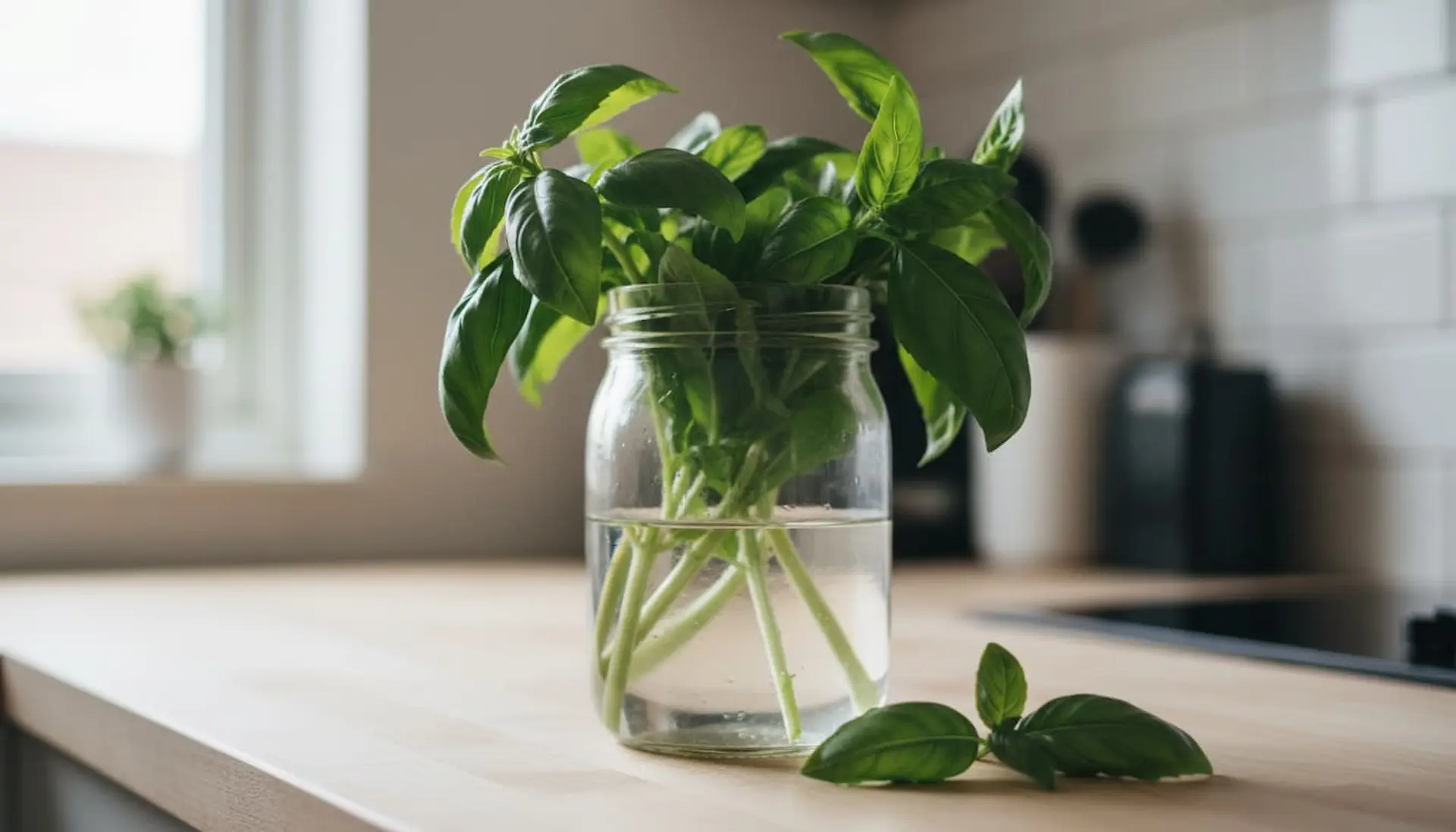
How to store basil (jar of water vs fridge)
Basil is the herb that tricks people because it looks like it belongs in the fridge—but basil is often cold-sensitive. In many home fridges, basil turns black, limp, and bruised quickly. If your goal is fresh, aromatic basil, the best default is a room-temperature bouquet.
Use the jar-of-water method: trim stem ends, place stems in a jar with a little water, and keep the leaves above the rim. Set it on the counter away from direct sun and heat. If your kitchen is very dry, you can loosely cover the leaves to reduce dehydration—but avoid trapping moisture against the leaves. Refrigerate basil only when the alternative is a very hot kitchen that will degrade the basil faster, and even then use a gentle method (paper towel + breathable bag) and keep it from getting crushed.
How to store cilantro and parsley (paper towel method)
Cilantro and parsley are tender herbs that fail fast because their leaves trap moisture and bruise easily. The most reliable and low effort method is the paper towel method: it controls humidity and keeps the bag from turning into a swamp. The goal is simple: keep herbs dry enough to not rot but protected enough to not wilt.
Here’s the method: remove any slimy stems, gently shake off excess moisture, then wrap the bunch loosely in a dry paper towel. Place it in a partially closed bag or container so there’s a little airflow. Store in the fridge where it won’t get crushed (upper shelf or a dedicated produce drawer section works well). Replace the paper towel if it gets damp. If you want even longer life and don’t mind a slightly more involved setup, the jar method (stems in water, leaves loosely covered) also works—just keep leaves from sitting below the water line where they get wet.
Should you wash herbs before storing?
You can, but only if you can dry them thoroughly. Washing herbs and storing them wet is the fastest route to slime. If you don’t have time to dry them properly, the safer strategy is to wash only what you’ll use immediately. Many people wash herbs in advance because it feels “prepared,” but moisture trapped around leaves shortens herb life dramatically.
If you do wash the whole bunch: swish herbs in a bowl of clean water to release grit, lift them out (don’t pour the grit back over them), then dry aggressively. A salad spinner helps; otherwise, towel and air-dry until the surface is dry to the touch. Once dry, store using the correct method for the herb type (basil at room temp; cilantro/parsley in fridge with paper towel). For kitchen safety, herbs are often eaten raw—so keep them away from raw meat drips and cross-contamination. Fridge placement zones are the foundation of food storage basics that keep your herbs (and the rest of your food) fresh and safe.
How long do fresh herbs last?
Herb lifespan depends on herb type and how well you control moisture. Basil can last several days at room temperature when stored like a bouquet. Cilantro and parsley can last close to a week (sometimes longer) when stored dry with a paper towel and kept from being bruised or crushed. Hardy herbs like rosemary and thyme often last longer than tender herbs because they contain less surface moisture and have sturdier leaves.
The real indicator isn’t the calendar—it’s condition. Herbs fail in predictable steps: wilting, then yellowing, then slime or mold. If you want herbs to last, check them once mid-week, remove any failing stems/leaves, and replace damp paper towels. That small maintenance step prevents one slimy section from taking down the whole bunch. If you consistently lose herbs in the fridge, it’s often because they’re stored in a spot that’s too cold, too wet, or constantly crushed, so treat placement as part of storage.
Quick herb revival tips (and when to toss)
Some herbs can be revived when they’re simply dehydrated, not rotten. If cilantro or parsley looks limp but isn’t slimy, trim the stems and place them in cold water for a short soak, then dry and store correctly. If basil is droopy but not black, trim stems and refresh the water jar method. Revival works when the problem is water loss—not microbial breakdown.
Toss herbs when you see slime, fuzzy mold, or if they have a sour/fermented odor. Also toss if the herbs were stored wet in a sealed bag and are visibly breaking down, at that point you’re not saving money, you’re dealing with rot. If you want the hygiene side of herb prep (how to keep cutting boards and knives clean when you chop herbs after handling raw protein), pair herb storage with cutting board sanitizing so your herbs don't become a cross-contamination risk when you use them in meals.
Frequently Asked Questions
How do you keep cilantro fresh in the fridge?
Use the paper towel method: wrap cilantro loosely in a dry paper towel, place it in a partially closed bag or container for light airflow, and refrigerate. Replace the towel if it gets damp and remove any slimy stems early so they don’t spoil the bunch.
Why does basil turn black in the refrigerator?
Basil is sensitive to cold and bruises easily, so fridge temperatures can trigger discoloration and limp texture. The best method is usually room-temperature storage like a bouquet (stems in water). If you must refrigerate, keep basil dry, avoid crushing, and use a breathable bag rather than a sealed container.
Should I wash herbs before storing them?
Only if you can dry them thoroughly. Wet herbs stored in a bag rot faster because moisture gets trapped around the leaves. Many cooks wash only what they’ll use right away. If you wash the whole bunch, spin/towel-dry completely, then store using the correct method for that herb.
Conclusion
Storing herbs is mostly moisture management. Basil usually does best at room temperature in a jar of water, while cilantro and parsley last longer in the fridge with a dry paper towel method. Wash herbs only if you can dry them fully, and toss herbs that are slimy or moldy. These small storage habits save money, reduce waste, and bring freshness to your meals every week.
Next Step: For consistent and safe cuts every time, keep up with your knife sharpening.
Latest posts


About