Cross-Contamination Prevention: The Easiest Way to Avoid Food Poisoning
Cross-contamination prevention is the fastest way to reduce food poisoning risk at home because it stops the invisible mistakes that happen even when food was otherwise cooked properly. One raw chicken package, one unwashed knife, one towel wipe, and suddenly your salad, fruit, or cooked food is contaminated.
This article gives you a repeatable workflow you can run on autopilot. For the full low-down (temps, thawing, leftovers, storage), use the main guide: Kitchen Safety.

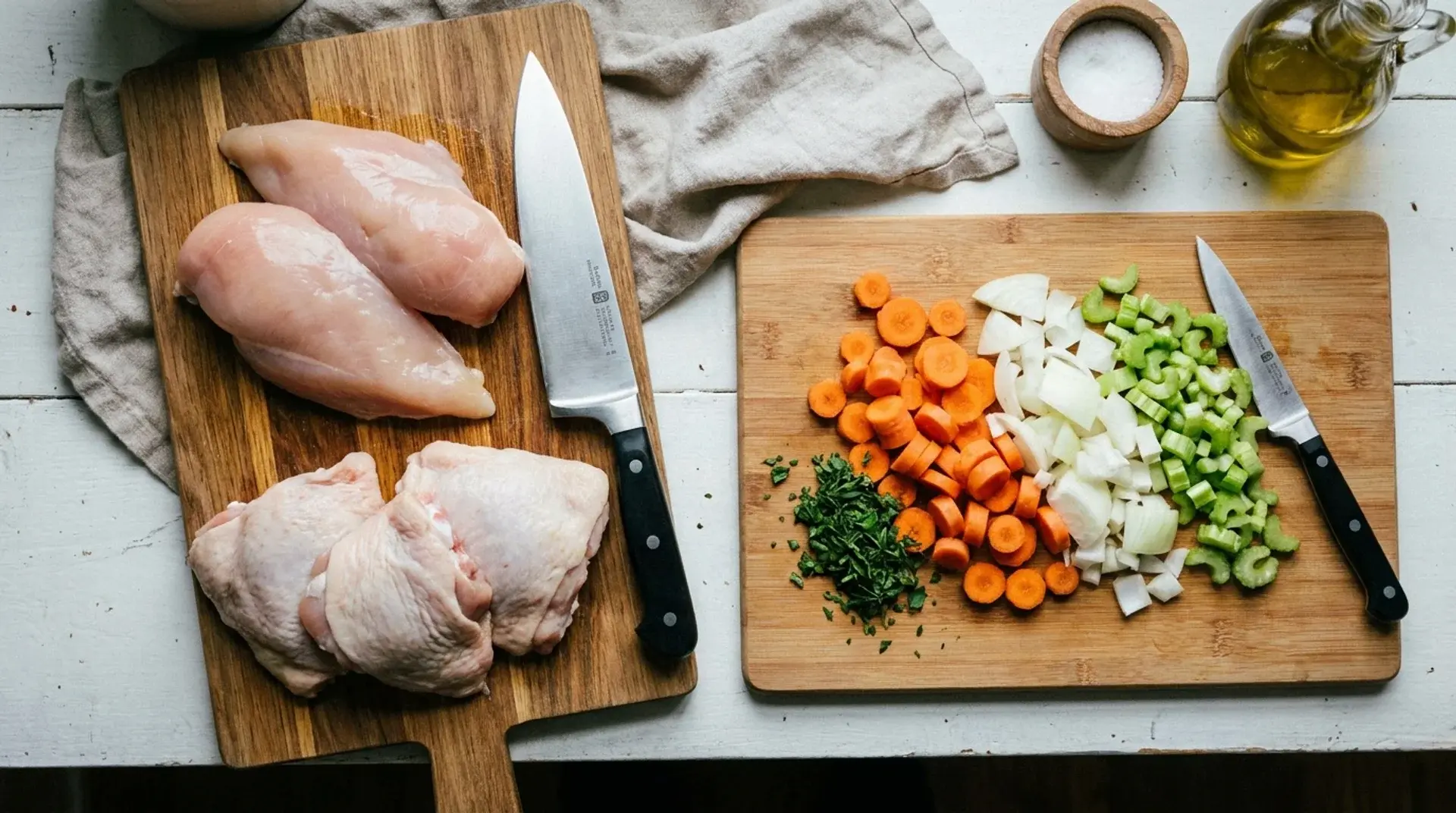
What is cross-contamination in the kitchen?
Cross-contamination is when germs spread from one source to another; most often from raw meat, poultry, seafood, or eggs onto foods that won’t be cooked again (salads, fruit, bread, sauces, garnishes), or onto clean tools and surfaces that later touch ready-to-eat food. It’s one of the most common home food-safety issues because it’s invisible. Food can look, smell, and taste normal while still carrying enough germs to make someone sick.
The tricky part is that contamination isn't usually a single big mistake. It’s often a chain: raw packaging touches the counter, you touch the counter, then touch a drawer handle, the handle touches your clean hand later, the clean hand touches a spoon, the spoon touches plated food and you eat that contaminated food. That’s why the best prevention strategy isn't to sanitize everything constantly, but simple work area habits that create a simple and safe work area. The foundation require two zones: a raw zone (raw proteins + their tools + anything they touch) and a clean zone (ready-to-eat foods + cooked foods + clean serving tools). Once you have two zones, you stop questioning what is contaminated because it'll be organized and standard practice.
The 5 most common cross-contamination mistakes
Most cross-contamination comes from the same repeat offenders. First: hands handling raw meat or eggs, then touch spice jars, phones, fridge handles, faucet knobs, or trash-can lids without washing. Second: the same-plate mistake where cooked food goes back onto the plate that held raw protein prior. Third: the knife/board bounce like when a knife cuts raw chicken, gets a quick rinse (not a soap wash), then goes back to slicing vegetables for a salad. Fourth: towels and sponges acting as germ delivery systems because they touch everything that's supposed to be clean. Fifth: drips and leaks from raw packaging leaking in the fridge or on the counter.
Here’s the mindset shift that fixes all five: treat raw protein as wet paint. If you touched the paint, you don’t want to smear it on clean objects. That means fewer touch points, intentional reset moments, and a clean-zone area that stays protected. Also remember: cross-contamination becomes more dangerous when food spends time warm. Kitchen safety is more than just the cooking stage, prep before-hand and after cooking matters. Remember to check time + temperature when cooling food to avoid the danger zone temperature.
Raw meat workflow: sink, hands, towels, and tools
The easiest way to prevent cross-contamination is to set up your workflow before you touch raw protein. Once raw meat enters the chat, everything you touch becomes a potential transfer point—so your goal is to reduce touch points and create clean defaults. Start by prepping ready-to-eat foods first (salad, herbs, garnishes). Then clear a raw zone near the sink where raw protein and its tools will live. Set out a clean plate for cooked food (never reuse the raw plate), and decide where packaging goes so it doesn’t travel across the counter.
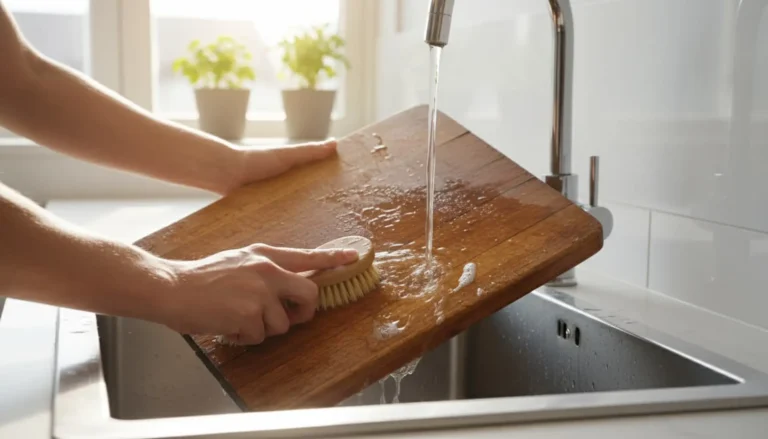
Use reset points instead of trying to remember a hundred rules. Reset point #1: after touching raw packaging. Reset point #2: after touching the raw protein. Reset point #3: after handling raw tools (knife/board/tongs). At each reset: wash hands with soap and water, wash tools with hot soapy water, and wipe the raw zone with a sanitizing agent. Then you can safely return to your ready-to-eat-food tasks. Don't forget to keep your cutting boards ready for next use.
How to separate raw and ready-to-eat foods
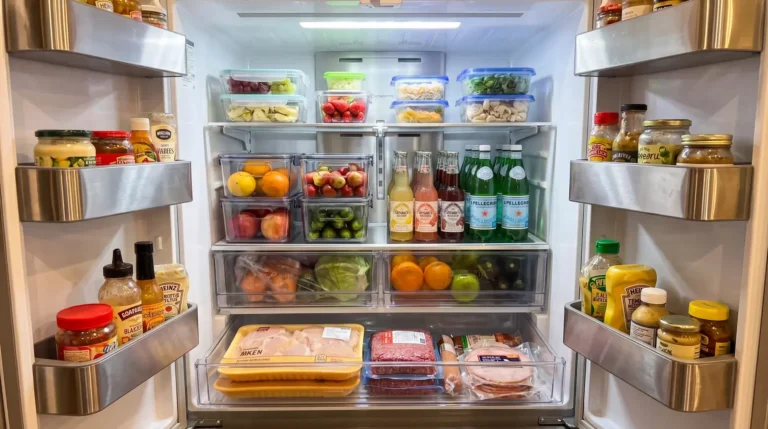
Separation is the easy way to safety. You don’t need a giant kitchen or ten cutting boards, you only need one protected clean zone. Think of separation in three places: the counter, the sink, and the fridge. On the counter: keep ready-to-eat foods and clean serving tools in a designated clean area (a corner of the counter, a tray, or a clean cutting board reserved for produce). Raw protein stays in the raw zone near the sink. In the sink: don’t stack clean items in a sink that just held raw juices; the sink is not automatically clean just because soap and water run through it when you clean other things. In the fridge: store raw meats sealed on the lowest shelf to prevent drips onto other foods.
When you’re cooking fast, separation becomes sequencing. Sequence rule: ready-to-eat first, raw protein last. If you only have one board, that one rule prevents the most common contamination mistake. Sequence also applies to utensils: use separate tongs for raw and cooked, or wash in between. And skip habits that increase splatter (like rinsing raw poultry in the sink), because splashes expand your raw zone to places you don’t notice and may be less likely to properly sanitize immediately.
Cleaning vs sanitizing: what actually kills germs?
Cleaning and sanitizing are not the same. Cleaning removes visible residue like grease, juices, crumbs, sticky film. Sanitizing reduces germs after the surface is already clean. If you try to sanitize a dirty surface, residue can block the sanitizer from contacting the surface evenly, and you end up with a false sense of safety. The reliable order is: scrape, wash with hot soapy water, rinse, sanitize when needed, air-dry.
Knowing when sanitizing is needed is the key. You don’t need to sanitize everything after slicing an apple. You do want to sanitize after raw poultry, after raw-juice spills, and after high-risk raw-prep sessions where drips could have spread. Also: don’t let towels and sponges undo your work. If a sponge wipes raw juice and then wipes the counter again, it can spread contamination wider. Use disposable towels for raw spills or keep separate cloths for raw-zone cleanup, and replace/wash them often. When you treat cleaning as remove that visible residue and sanitizing as reduce unseen microbes, you start doing the right steps consistently.
Frequently Asked Questions
Is it safe to wash raw chicken before cooking it?
No. Washing raw chicken can spread germs by splashing droplets around your sink and nearby surfaces. It doesn’t remove all risk from the meat; thorough cooking does. The safer approach is: keep raw chicken contained in a raw zone, wash hands and tools after handling it, and clean then sanitize surfaces that contacted raw juices.
Do I need separate cutting boards for meat and vegetables?
Separate boards make prevention easier, especially when cooking fast. If you only have one board, prep ready-to-eat foods first, handle raw protein last, then wash and (when needed) sanitize the board before anything else touches it. Consistent sequencing beats perfect equipment.
What’s the simplest way to avoid cross-contamination in a small kitchen?
Use one protected clean zone: reserve one counter area or tray for ready-to-eat foods and cooked food, and keep raw protein and its tools in a separate raw zone near the sink. Then use reset points: wash hands, wash tools, wipe the raw area, before switching back to clean tasks. Consistency will create automatic habits and eliminate guess-work.
Conclusion
Cross-contamination prevention doesn't require obsessing, just easy habits. Create a raw zone and a clean zone, handle raw protein last, don’t reuse plates or utensils, and stop towels/sponges from becoming germ delivery vehicles. If you follow reset points consistently, you’ll prevent most home food-safety issues without any stress.
Next Step: Learn about Safe Thawing Methods.
Latest posts
About