Food Storage Basics: Where Food Goes in the Fridge (and Why)
Food storage basics aren’t extra, they’re how you stop cross-contamination, reduce waste, and avoid the most common issue of whether to toss or keep. Most home food safety issues come from three things: raw foods stored where they can drip, leftovers stored without a date, and containers that don’t match the job.

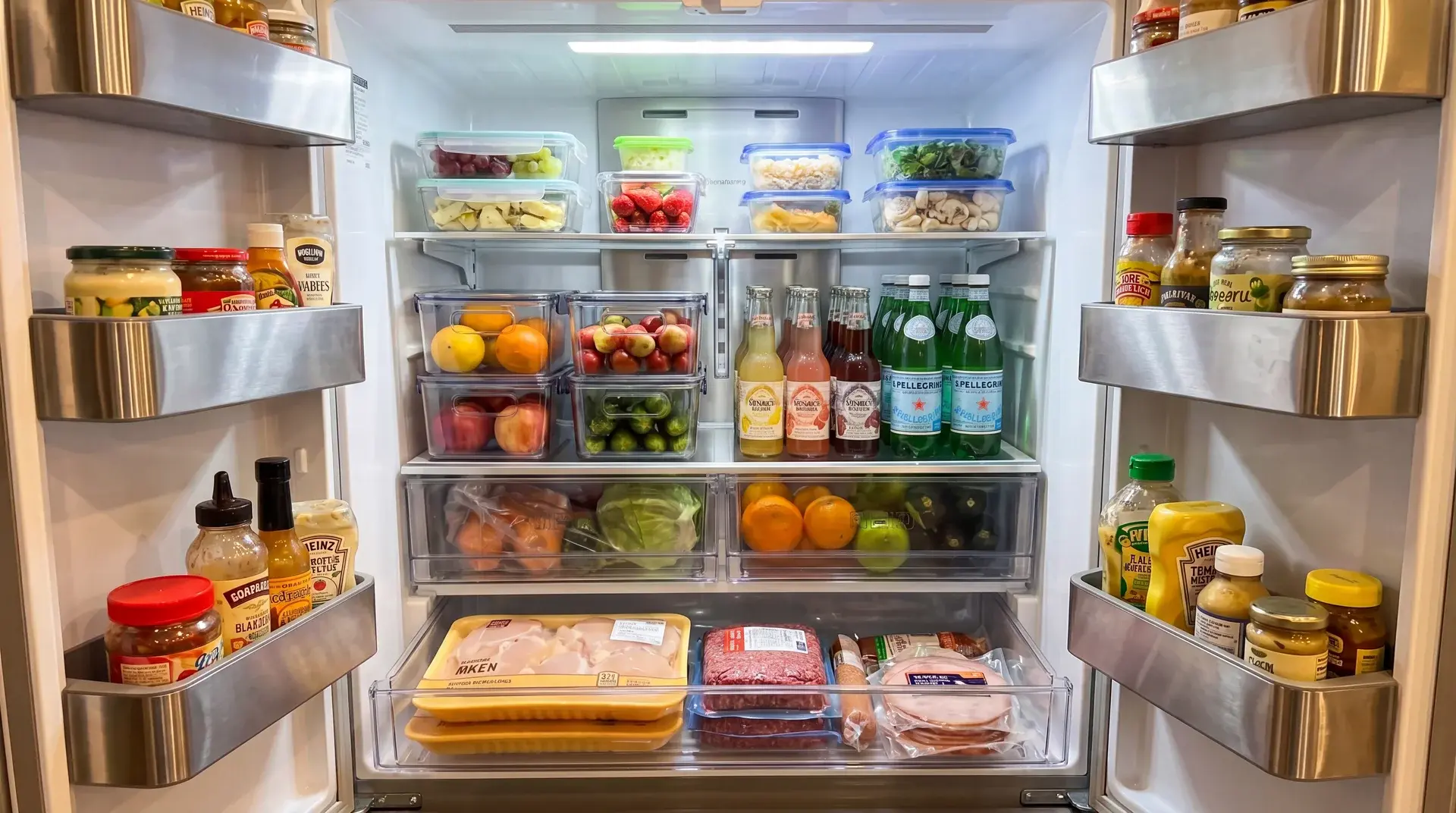
Where to store raw meat in the fridge (bottom shelf rule)
The bottom shelf rule exists for one reason: gravity. If raw meat leaks, it drips downward. Storing raw meat, poultry, and seafood on the bottom shelf prevents raw juices from dripping onto ready-to-eat foods like salad, fruit, leftovers, or anything you won’t cook again. Even sealed packages can leak. That’s why the safest practice is containment + placement: keep raw meat in a leak-proof container or on a rimmed tray, then place it on the lowest shelf.
This rule also simplifies your whole kitchen workflow. You don’t have to constantly wonder if raw meat touched it, because you’ve created easy cross-contamination prevention inside the fridge. If you thaw meat in the refrigerator, the same rule applies: thaw on a tray on the bottom shelf so drips can’t contaminate other foods.
How long do leftovers last? (simple ranges)
People want an exact number for leftover safety, but the safer way to think is: leftovers are only as safe as their history. How quickly were they cooled? How were they stored? How often were they warmed and cooled again? Still, simple ranges are helpful as a decision support tool, as long as you’re not using them to override common sense. If you can’t confidently account for the history, it’s safer to toss.
Use a conservative default range for most cooked leftovers in the fridge: a few days, not a week. If something is high-moisture, protein-rich, or cooked in a big batch (soups, stews, rice, sauces), be even more disciplined about cooling and labeling so you don’t end up eating food with an unknown age. If leftovers are your recurring pain point, the upstream fix is cooling speed and portion depth. Build that system first using safe cooling and reheating, then how long it keeps in your fridge get dramatically easier.
Labeling leftovers: dates, contents, and “use by”
Labeling is the highest-leverage food storage habit because it removes guesswork. Without a date, you’re forced to rely on memory, and memory is unreliable, especially when life is busy. Labeling also reduces waste: you stop throwing food away just because you’re uncertain. When you know what it is and when it was made, you make faster, safer decisions.
Keep labeling simple: masking tape + marker. Write food + date. If it’s a meal-prep container, add “lunch” or “dinner.” If you want an extra layer of simplicity, add a “use by” note based on your personal default range (example: “eat by Thu”). Then rotate: new containers go behind old ones so you naturally eat older food first. This first in, first out habit prevents freezer fossils in the fridge and ensures you get to enjoy your cooking.
Best containers for food storage (air-tight, shallow, freezer-safe)
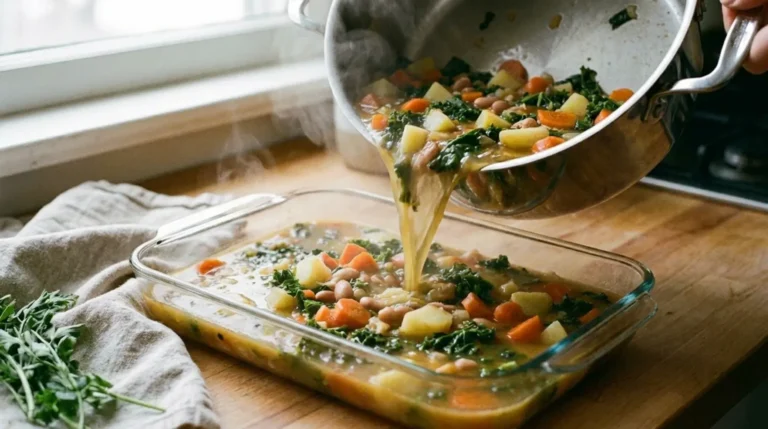
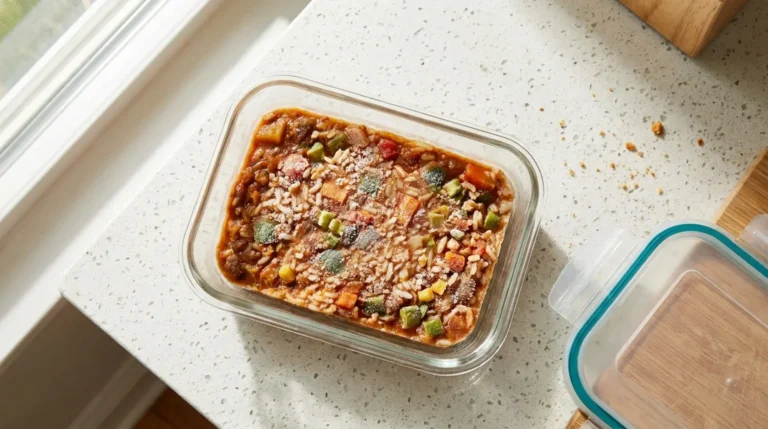
Containers control cooling speed, leak risk, and how easy it is to reheat food evenly, while looking nice. Shallow containers cool faster because heat escapes more efficiently with the broader surface area. Airtight containers reduce spills and help keep odors contained, but sealing too tightly while food is still steaming can trap heat and slow cooling. Freezer-safe containers matter because thin plastic can crack, and poor sealing increases freezer burn over time.
Use this simple container logic: shallow for leftovers, leak-proof for raw meat containment, freezer-safe for anything you’ll freeze. For soups and sauces, choose containers that leave room for expansion if freezing. For meal prep, portion into single-meal sizes so you’re not reheating the whole batch repeatedly. If your freezer storage is a constant quality mess, your next read is freezer burn, it covers air removal, portioning, and packaging habits that prevent wasted food.
When to throw food out (common red flags)
When to toss is where people get stuck because they want a perfect test. The issue is that some unsafe foods can smell normal, and some safe foods can smell off because of pungent (but safe) ingredients. So the best safety test is history: do you know how long it sat out, how quickly it cooled, and how many days it’s been stored? If the answer is unclear, you’re taking a risk.
Use clear red flags: visible mold, slimy texture where it shouldn’t be slimy, a container that’s been forgotten and opened repeatedly, em rotten odor, bubbling or gas in foods that shouldn’t ferment, or any situation where the food has unknown time/temperature history. Also avoid repeat warming behavior. Food that’s been reheated, cooled, reheated, cooled tends to have more risk because it spends more time in the danger zone temperature.
Frequently Asked Questions
Where should raw meat be stored in the fridge to prevent contamination?
Store raw meat, poultry, and seafood sealed on a rimmed tray or in a container on the bottom shelf. This prevents leaks from dripping onto ready-to-eat foods. Treat packaging as unreliable and use containment plus placement as your default.
What’s the easiest way to label leftovers so I don’t forget?
Keep it low-friction: masking tape and a marker on the fridge. Write “food + date” on the container before it goes in. Then rotate by putting new containers behind old ones so older food gets eaten first. The goal is to stop relying on memory for safety decisions.
Can I store hot leftovers in the fridge right away?
Yes, if you portion hot food into shallow containers so it cools quickly and doesn’t warm the entire fridge. Avoid putting a huge pot in the fridge as-is. Split into smaller portions, vent briefly, then refrigerate promptly.
Conclusion
Food storage basics work when they reduce decisions: raw meat contained on the bottom shelf, leftovers cooled quickly in shallow containers, everything labeled with dates, and containers chosen for the job. When you rely on history instead of smell tests, and toss anything with a questionable age, your fridge becomes safer and calmer.
Next Step: Make sure you're up to date on what to do when freezer burn appears on leftovers.
Latest posts
About