Freezer Burn: How to Stop It (and Is It Safe to Eat?)
Freezer burn looks like a safety problem, but most of the time it’s a quality problem: dry patches, pale spots, weird texture, and bland flavor. The reason it matters for kitchen safety is simple, freezer burn is a sign your freezing system is letting air and time do damage. Fix the system and you waste less food, keep frozen meals tasting good, and make thawing more predictable.
This guide explains what freezer burn is, whether food is still safe, and the simplest prevention habits (air removal + better packaging). For the full food safety system (danger zone rules, thawing, storage), go back to Kitchen Safety.

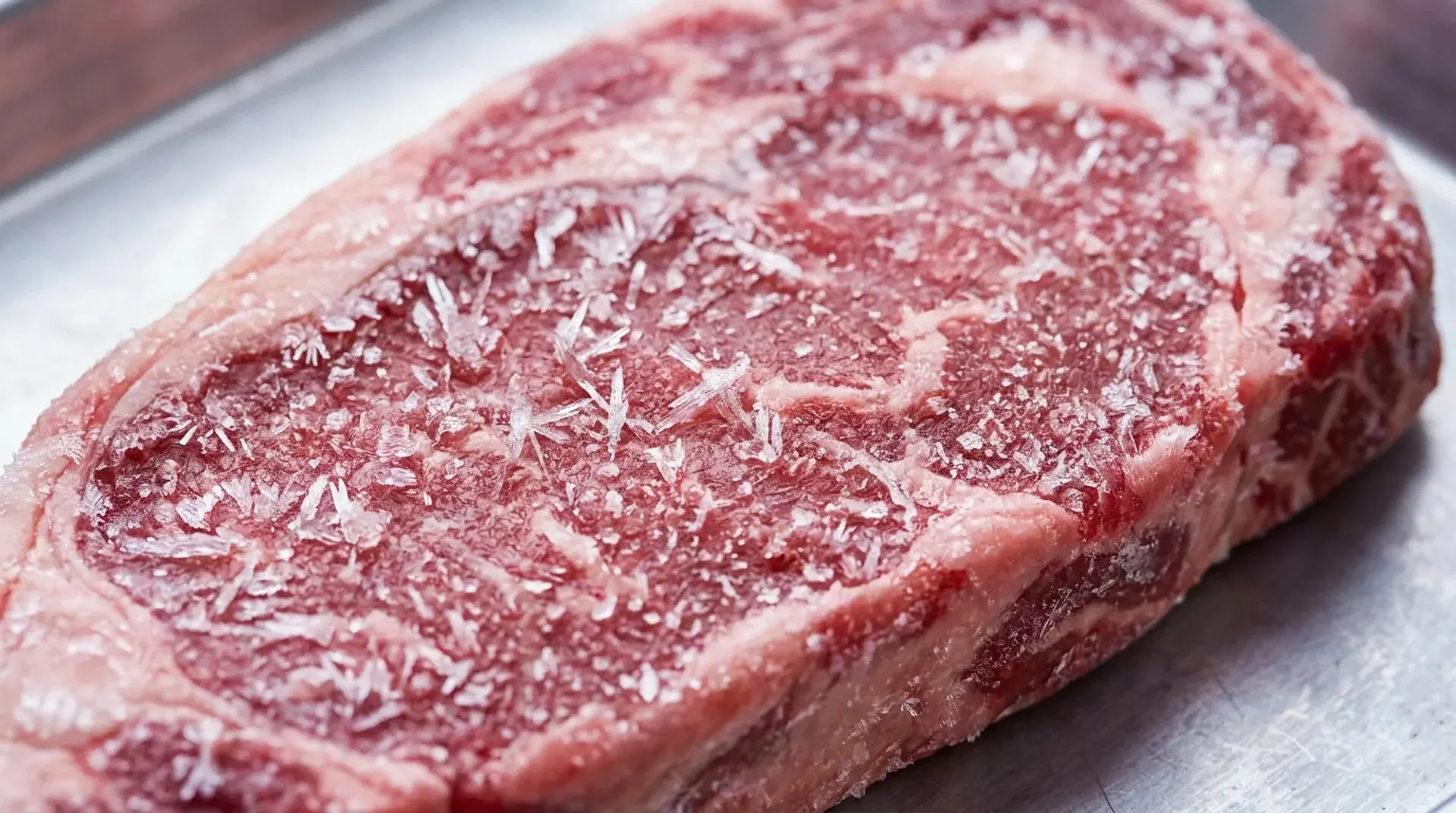
What is freezer burn (and what causes it)?
Freezer burn is what happens when frozen food loses moisture and gets exposed to air. The surface dehydrates (water molecules migrate out and sublimate), and oxygen slowly degrades flavor and texture. That’s why freezer-burned areas look pale, grayish, or chalky, and why the food tastes dry, flat, or off. The ice crystals you see are a clue: moisture has moved around instead of staying locked into the food where you want it.
The main causes are air exposure + time + temperature swings. Thin store packaging is built for display, not long-term storage. Bags with lots of trapped air create a dry freezer-air environment around the food. And freezer temps that fluctuate (door opened frequently, overpacked freezer blocking airflow, warm food placed directly in the freezer) increase moisture migration and melt-refreeze cycles. The good news is freezer burn is highly preventable once your packaging and portioning are consistent.
Is freezer-burned food safe to eat?
In most cases, yes. Freezer burn itself is a quality issue, not a contamination issue. If food stayed frozen the whole time, it’s typically safe to cook and eat even if the texture and flavor are bad. Freezer burn doesn’t mean bacteria or spoilage. It means the surface dried out from air exposure. That said, it being safe assumes your freezer storage didn’t include repeated thaw/refreeze cycles, like if the power went out.
Use a simple decision rule: if the food’s history is clean (it stayed frozen; packaging wasn’t torn open; no evidence of thawing and refreezing), it’s usually safe but lower quality. If the history is unknown (the bag was open, food was left out then refrozen, large ice block indicates partial thaw, or it smells off after thawing), don’t take the risk. If your food stayed in the danger zone temperature prior to being frozen, it still may be unsafe because of the higher risk of bacteria growth.
How to prevent freezer burn (wrap, air removal, portion sizes)
Preventing freezer burn is basically one job: remove air and protect the surface. Air exposure is what dries food out. So your packaging should do two things: create a tight barrier and reduce trapped air. You don’t need a vacuum sealer, just consistent habits. Use freezer bags (not thin sandwich bags) and press out as much air as possible before sealing. For meats, consider a double barrier: wrap tightly, then bag. For liquids and sauces, use airtight containers with appropriate headspace.
Portion size matters because it affects both freezing speed and storage success. Smaller, flatter portions freeze faster (results in better texture) and are easier to package tightly. Thick bricks of food freeze slower, trap air pockets, and later thaw unevenly. Safe thawing will be easier and faster if you do make this simple tweak before putting it in the freezer. If you want a simple upgrade: freeze in meal-sized portions you will actually use. That makes prevention easier and reduces the unnecessary time and effort to thaw a huge batch when you only want a small portion.
Best containers and bags for freezing
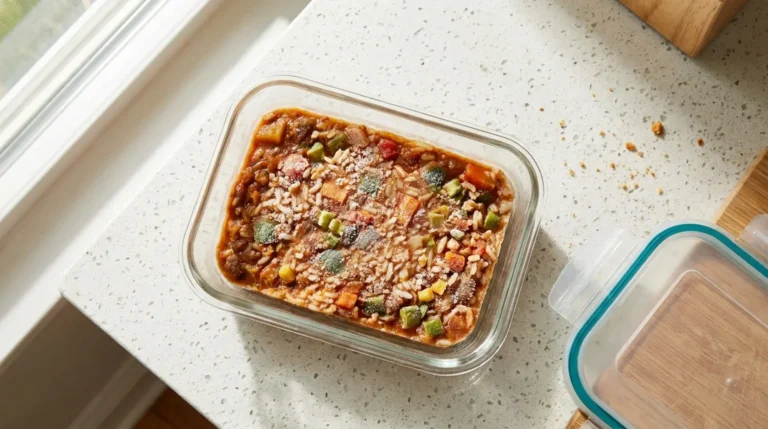
The best freezer containers do three things: seal well, remove air, and survive cold without cracking. For many home cooks, freezer bags are the easiest high-quality solution because you can press the air out and freeze flat. Flat bags also stack efficiently and thaw faster. Airtight containers are great for soups, chili, and saucy foods, especially if they’re shallow and stackable.
Match the container to the food: bags for flat portions (ground meat, cooked grains, shredded meat, chopped vegetables), containers for liquids and delicate foods that get crushed in bags. If your freezer is messy and you lose track of what’s what, labeling becomes part of the container system: write food + date on the bag/container before freezing. If your overall storage system needs some guidance (raw meat placement, leftover labels, fridge rules), build that foundation with food storage basics.
How long can food stay in the freezer?
The freezer is a time machine for safety, but not for quality. Many foods remain safe while frozen for a long time, but quality drops the longer they sit, especially if packaging is imperfect. If you want frozen food to taste good, use a rotation system. Don't try to store everything forever, aim to store food so there isn't prominent degradation until consumption.
Use these practical habits: label with dates, keep an eat-next zone in the freezer, and freeze portions you’ll realistically use within a reasonable window. Reducing risk happens when you are cooling cooked food and reheating. Make sure to take the proper steps throughout so your food doesn't create a risk for you or others, and can just be enjoyed.
Frequently Asked Questions
Is freezer-burned meat safe to eat?
Usually, yes. Freezer burn is dehydration from air exposure, which affects quality more than safety if the meat stayed frozen. Trim severe dry patches if you want and use the meat in saucy dishes. If the food thawed and refroze repeatedly or has unknown history, don’t gamble.
How do you prevent freezer burn without a vacuum sealer?
Use freezer bags, press out as much air as possible, and freeze food in flat portions. For longer storage, wrap meats tightly before bagging. Label with dates so food doesn’t sit for months until quality drops.
Why does freezer burn happen even in sealed bags?
Most sealed bags still contain trapped air, and thin plastic can allow slow moisture loss over time. Temperature swings also encourage moisture migration. The fix is removing more air, using thicker freezer bags or a double wrap, freezing flat, and keeping freezer temps stable.
Conclusion
Freezer burn is mostly a quality problem caused by air exposure and time, not an automatic safety crisis. Prevent it by removing air, using better packaging, freezing in smaller portions, and labeling so food doesn’t become a freezer fossil. If freezer burn keeps happening, it’s a signal your system needs tighter wrapping and better rotation.
Next Step: Learn about Fresh Herb Storage methods.
Latest posts
About