Master Cooking Techniques: Core Skills for Home Cooks
If you can control heat, browning, and timing, cooking stops feeling like a guessing game. This Master Cooking Techniques Guide is your shortcut to repeatable results: better crusts, sweeter roasted vegetables, quick pan sauces, predictable egg doneness, and faster prep that actually feels safe.
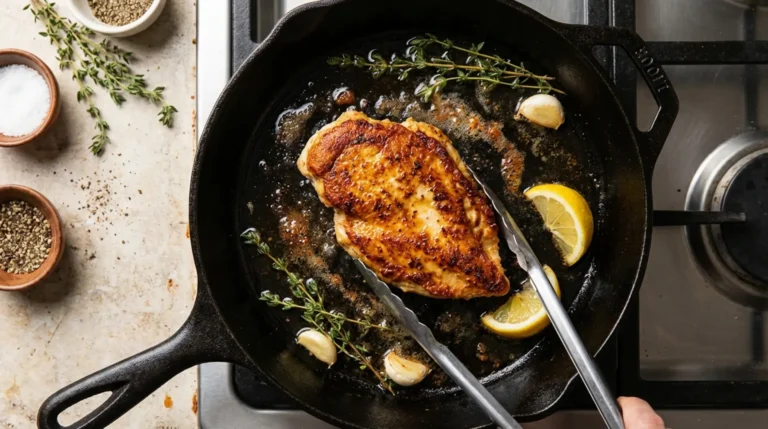
Use this resource to diagnose what’s going wrong and then jump into the exact technique you need. Pan-Searing is a great start if you want the fastest way to upgrade to your mains.

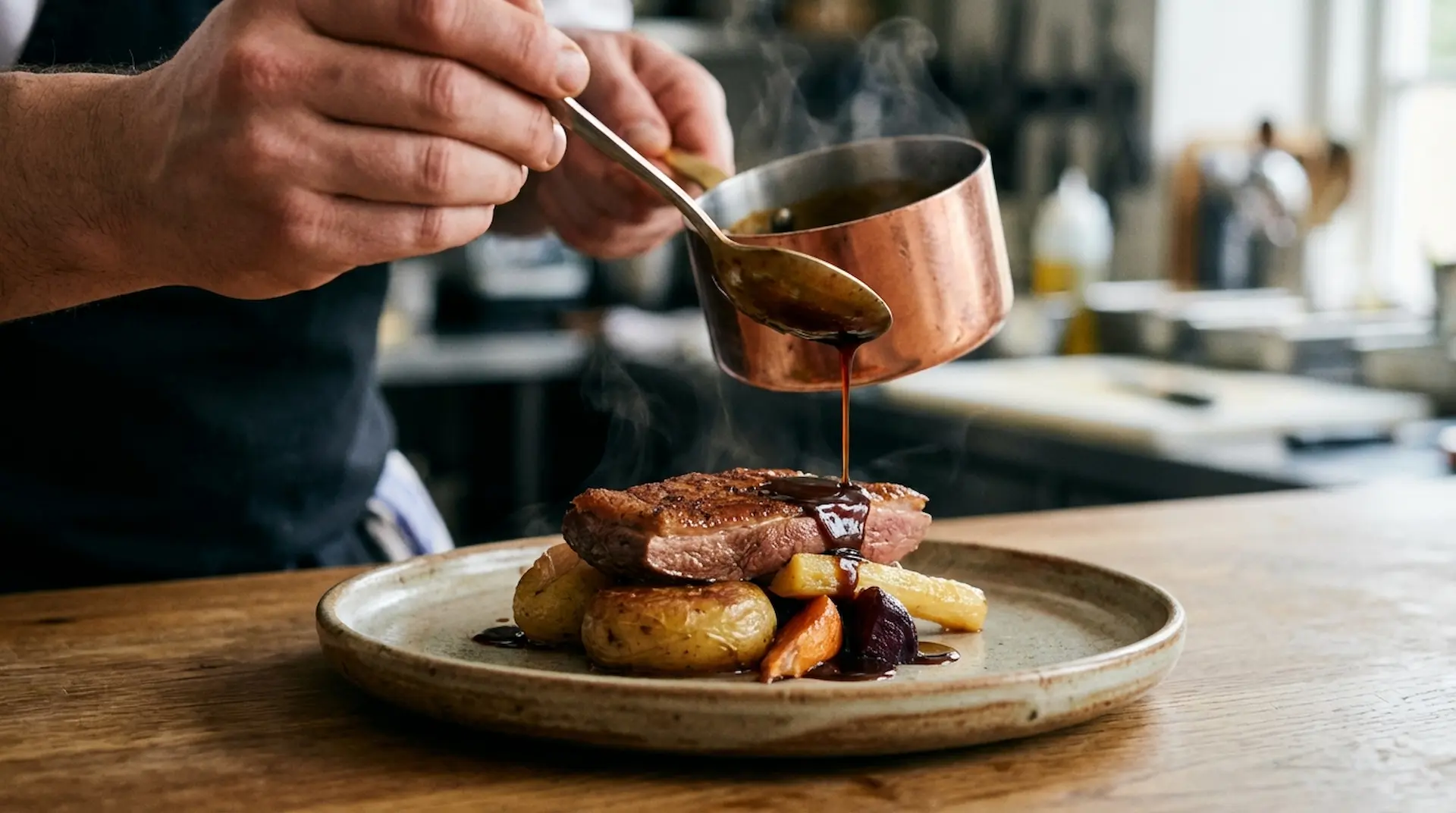
What are master cooking techniques (and why they beat recipes)
Recipes are instructions. Techniques are transferrable skills. When you rely on instructions alone, your outcome depends on hidden variables: pan size, stove power, ingredient moisture, how cold your food was at start, and how evenly you cut things. That’s why you can follow the same recipe twice yet get different results. Master cooking techniques remove the guesswork because they teach you what to watch for, what to do next, and why.
A technique is repeatable when it has a setup you can replicate, a clear goal you can see or measure, and a simple set of adjustments when things veer off-course. “Sear until browned” is vague. “Preheat the pan, dry the surface, don’t crowd, and wait for natural release before flipping” is a technique. If you want a concrete starting point, begin with pan-searing and notice how quickly your confidence improves.
The essential workflow: prep, heat, technique, finish
Great cooking begins with a workflow that sets you up for success. When things go sideways, it’s often because steps are happening out of order: you start the pan before you’re ready, you cut as you cook, or you don’t know what done looks like. A simple workflow keeps you from fighting the clock and helps you make better decisions under pressure.
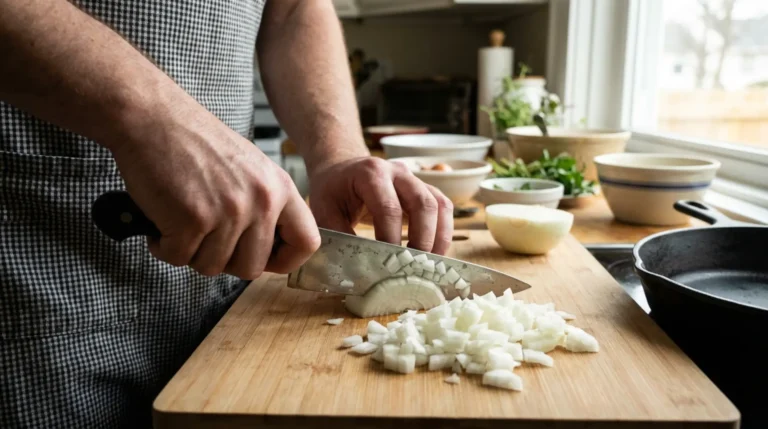
Prep builds consistency: gather ingredients, measure salt, acid, and fat, and cut evenly so timing is easy and everything is at your fingertips. Heat prevents panic: preheat your pan or oven before cooking. Technique is the movement style: sear, sauté, roast, simmer. Finish is where food becomes restaurant quality: adjust salt, add acid, add herbs, or build a quick sauce. If your prep work slows you down, improve knife skills to create speed and control.
Pan fundamentals (preheat, oil, spacing, movement)
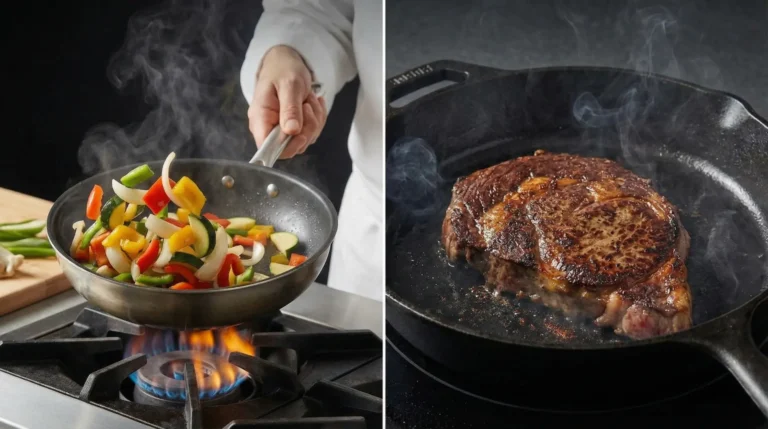
Most pan failures come from four fundamentals: preheat, oil timing, spacing, and movement. A cold pan leads to sticking. Poor oil timing leads to burning or absorption. Crowding traps moisture and causes steaming instead of browning. Movement matters because some techniques need patience, while others need motion.
If you want a crust, you need dry surface + hot pan + space + patience. If you want tender quick-cooking results, you need controlled heat + smaller pieces + motion. If you’re unsure which to apply, read sautéing vs searing to avoid common mistakes.
Oven fundamentals (spacing, sizing, timing, finishing)
Oven cooking seems simple, but it still requires technique. Spacing determines whether food roasts or steams. Size determines whether everything finishes evenly. Timing controls texture, and finishing determines flavor.
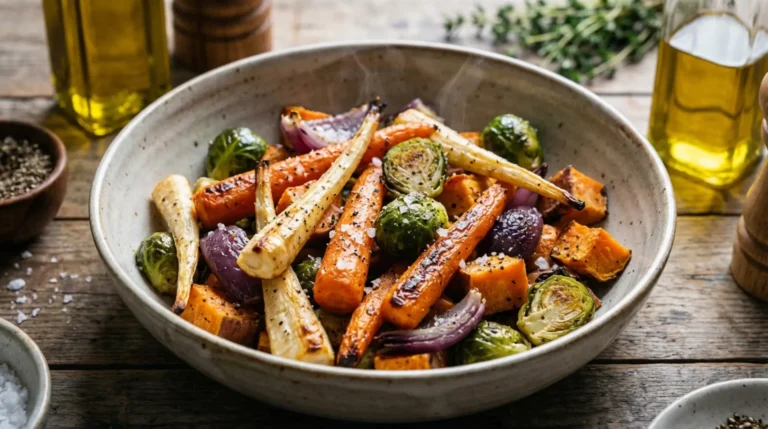
For consistent results: preheat fully, use the right pan, cut evenly, and don’t crowd. Finish intentionally and adjust salt, add acid, and layer texture. If your results are uneven, follow roasting vegetables for a reliable guide with transferrable skills.
Sauce fundamentals (fond, deglazing, thickening, reducing)
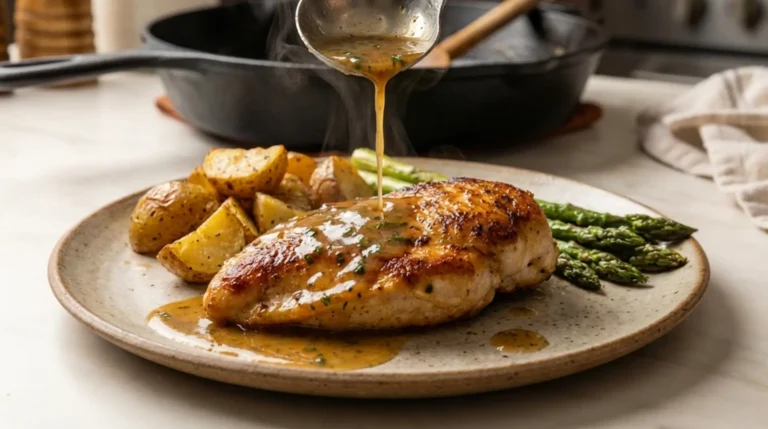
Sauces are simpler than they seem: build flavor, lift it into liquid, concentrate it, then balance it. Flavor often starts as fond (the browned bits left in the pan) which acts as your base.
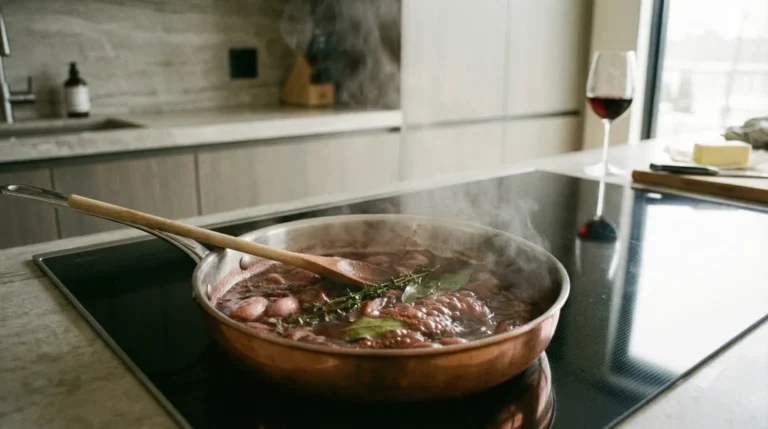
The sequence is: create fond, remove protein, add aromatics, deglaze with liquid, scrape, and reduce. Thicken with reduction, butter, or roux. The fastest upgrade is deglazing a pan to turn simple cooking into something layered and complete.
Frequently Asked Questions
What are the most important cooking techniques to learn first?
Start with knife skills for prep speed, sautéing vs searing for correct pan decisions, and deglazing for flavor. Then add roasting vegetables for reliable meals. Once those skills are solid, sauces become much easier to make and will be paired with delicious main courses.
Why does my food stick to the pan even when I use oil?
Sticking usually comes from a pan that isn’t fully preheated, food that’s wet, or moving it too early. Preheat properly, dry the surface, and wait for natural release before flipping.
How do I make a quick sauce without it tasting watery?
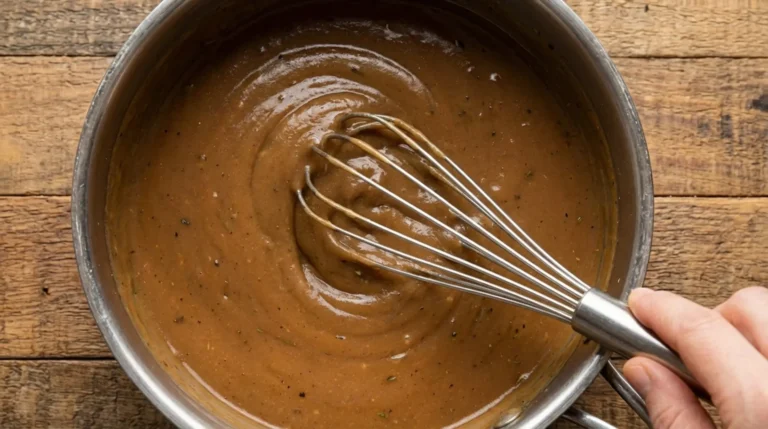
Deglaze to capture flavor, then reduce until it lightly coats a spoon. Finish with butter or acid for balance. For thicker sauces or gravy, use a roux instead of over-reducing.
Conclusion
Master techniques aren’t about perfection, they’re about repeatable techniques as a solid base. When you use a consistent workflow and core fundamentals, you stop guessing and start adjusting. Pick one technique, practice it, and build from there.
Next Step: Start with Pan-Searing
Latest posts
About