Pan Sauce Basics for Fast Finished Sauce
Pan sauce basics start with one simple idea: the browned bits left in the pan are flavor, not mess. When you deglaze that fond with liquid, reduce it, season it, and finish it with fat and acid, you can turn a plain seared chicken breast, steak, pork chop, or vegetable into a complete dish.
A good pan sauce is fast, practical, and built from what is already in the pan. For the full sauce-building framework behind stocks, roux, emulsions, mother sauces, and flavor balance, start with the main sauces and foundations guide.

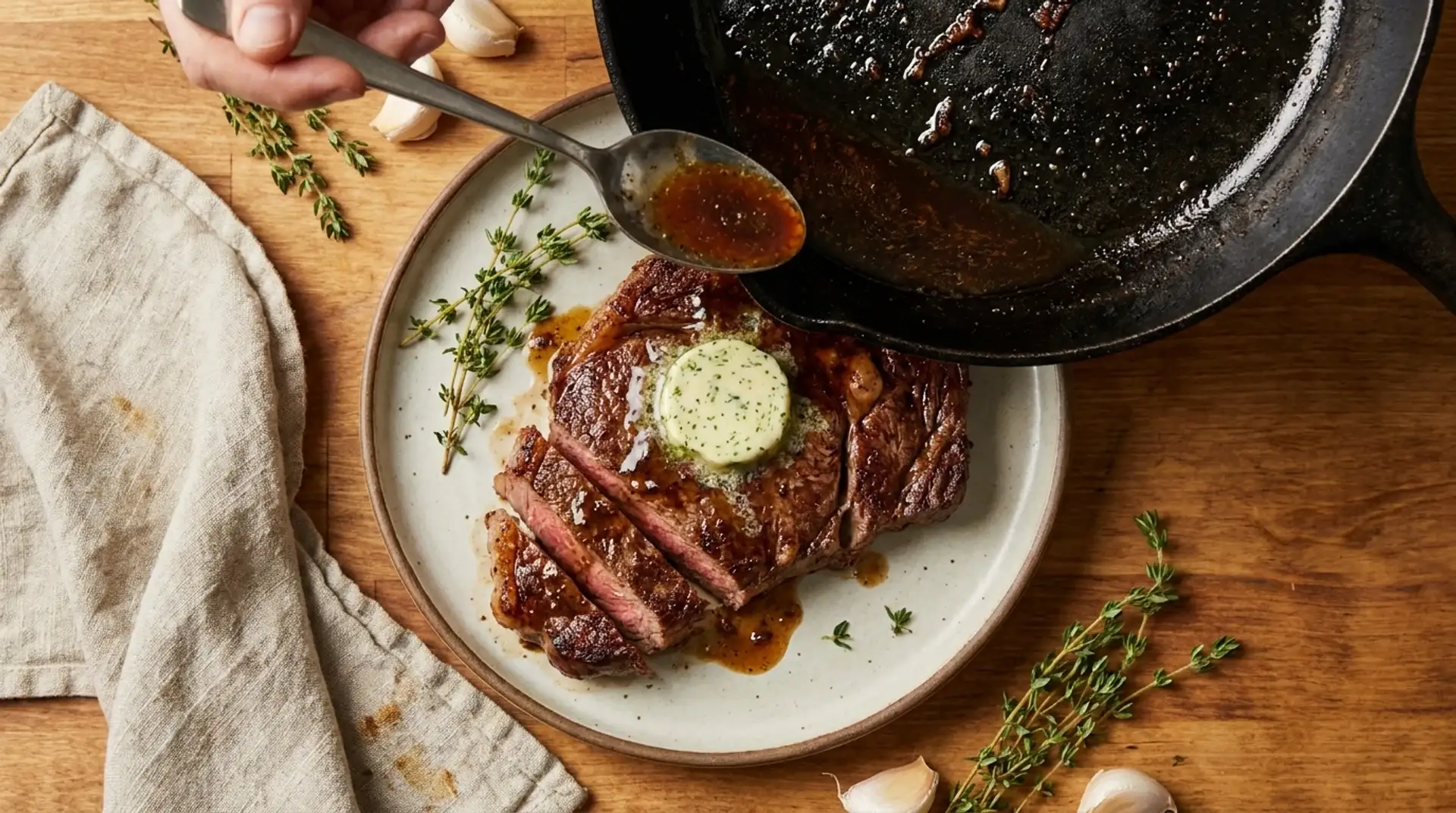
What is a pan sauce?
A pan sauce is a quick sauce made from the browned bits left behind after cooking food in a pan. Those browned bits are called fond, and they carry a lot of concentrated flavor. Instead of washing them away, you dissolve them with liquid, reduce that liquid into a stronger sauce, then finish it with butter, acid, herbs, cream, mustard, or seasoning.
Pan sauces work especially well after searing chicken, steak, pork chops, mushrooms, fish, or hearty vegetables. The food browns, releases juices, and leaves flavorful residue on the surface of the pan. When you add liquid, the fond loosens and becomes the base of the sauce. This is why a pan sauce can taste much deeper than the short cooking time suggests.
The basic sequence is simple: cook the food, remove it to rest, pour off excess fat if needed, add aromatics if using them, deglaze with liquid, scrape the pan, reduce the sauce, then finish with butter, acid, herbs, and final seasoning. That sequence can become dozens of sauces depending on the liquid and finishing ingredients.
The main thing to watch is the difference between browned and burned. Brown fond is delicious. Black, bitter fond is not. If the pan smells scorched or the bits are burned, do not turn that into sauce. Wipe the pan and build a cleaner sauce instead. Pan sauce is fast, but it still depends on good judgment.
How fond creates flavor
Pan searing creates fond which is browned proteins, sugars, juices, and seasonings left behind in the pan. When meat or vegetables brown, their surface develops deeper savory notes. Some of that flavor stays attached to the food, and some sticks to the pan. That stuck-on layer is what makes pan sauce worth making.
The best fond usually comes from a pan that is hot enough to brown but not so hot that it burns. Stainless steel, carbon steel, and cast iron are especially useful because they let food develop contact with the pan. Nonstick pans can make a lighter sauce because they do not hold fond in the same way. That does not mean a sauce is impossible, but it may have less browned depth.
Crowding the pan can weaken fond because the food steams instead of browns. If moisture builds up, the pan surface stays wet and the browned layer never develops properly. Pat food dry, leave space between pieces, and let the food sit long enough to form color before moving it. Good browning early means better sauce later.
Seasoning also affects fond. Salted food releases juices, which can brown into the pan. Spice rubs, marinades, and sugars can add flavor, but they can also burn faster. If the fond turns dark too quickly, lower the heat or deglaze sooner. Pan sauce is a reward for good browning, not a cover-up for scorching.
Best liquids for deglazing
The best liquids for deglazing are liquids that dissolve fond and add flavor without overwhelming the sauce. Stock, wine, broth, water, vinegar, cider, beer, and citrus juice can all work depending on the dish. The liquid hits the hot pan, loosens the browned bits, and turns them into the base of the sauce.
Stock is one of the most reliable options because it adds savory depth and body. Chicken stock works with chicken, pork, vegetables, mushrooms, grains, and many weeknight dishes. Beef stock works with steak, mushrooms, and richer brown sauces. Vegetable stock can work well, but it should taste clean and not too sweet or muddy. A good stock gives the sauce more structure than water alone.
Wine adds acidity and complexity, but it needs to cook down so the raw alcohol edge disappears. White wine works well for chicken, fish, pork, and lighter sauces. Red wine works better for beef, mushrooms, lamb, and deeper sauces. Vinegar and lemon juice are powerful, so use them in smaller amounts or combine them with stock. They are usually better as balancing ingredients than the full deglazing liquid.
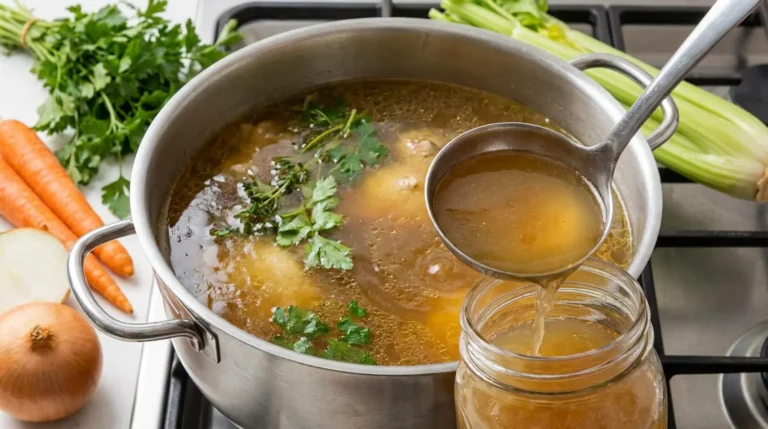
Water is underrated when the fond is strong. It will not add flavor on its own, but it can capture the browned bits clearly. This works best when the pan has plenty of flavor and you plan to finish the sauce with butter, herbs, mustard, citrus, or cream. For deeper sauce body, homemade or well-made chicken stock gives the pan sauce a stronger foundation than plain water.
How to reduce a pan sauce without overcooking it
To reduce a pan sauce without overcooking it, simmer the liquid until the flavor concentrates and the texture lightly thickens. Reduction is the step where the sauce becomes more than hot liquid. Water evaporates, the fond becomes stronger, and the sauce starts to coat the spoon. The trick is reducing enough for flavor without letting the sauce become too salty, sticky, bitter, or broken.
Start with enough liquid to dissolve the fond fully. Scrape the pan with a wooden spoon or spatula so the browned bits release. Then let the liquid simmer. A wider pan reduces faster than a narrow pot because more surface area allows water to evaporate. Watch the sauce closely near the end because it can go from perfect to over-reduced quickly.
Reduce before adding delicate finishers
Add ingredients like butter, cream, herbs, lemon juice, and delicate mustard near the end rather than boiling them aggressively from the start. Butter can break if it is boiled too hard. Fresh herbs can turn dull. Acid can become harsh if reduced too far. Build concentration first, then finish with balance.
Taste before final seasoning
Salt becomes more concentrated as the sauce reduces. If you season heavily at the beginning, the finished sauce may become too salty. Taste near the end, then adjust salt, acid, fat, and pepper once you know the final concentration.
How to finish pan sauce with butter, acid, and herbs
Finishing is what makes a pan sauce taste complete. After the sauce has reduced, take it off the strongest heat and add cold butter, a splash of acid, fresh herbs, pepper, mustard, cream, or another finishing ingredient. Butter gives gloss and rounds sharp edges. Acid brightens the sauce. Herbs add freshness. Salt makes the whole thing clearer.
Mounting with butter means whisking or swirling cold butter into the sauce near the end. The butter gives the sauce body and shine without making it feel like melted butter poured over food. Use a small piece at a time and keep the sauce warm, not violently boiling. If the sauce is too hot, the butter can separate and make the sauce greasy.
Acid is often the missing piece. A pan sauce with stock and fond can taste deep but heavy. A few drops of lemon juice, vinegar, or wine can make it feel more alive. Add acid carefully and taste after each addition. The goal is lift, not sourness. Fresh herbs should usually go in at the end so they stay bright.
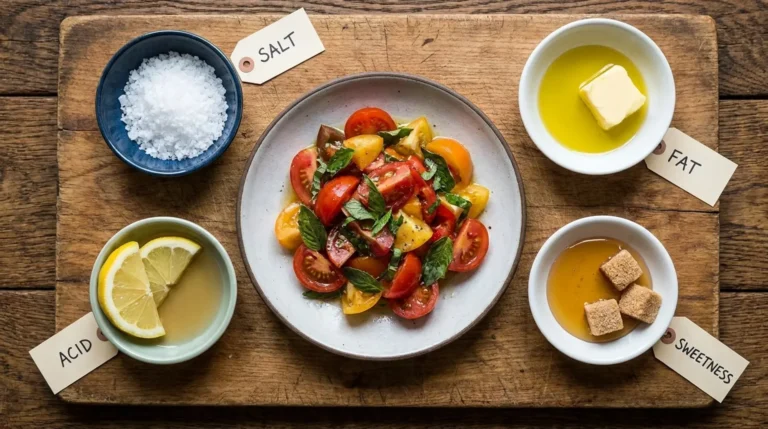
If the sauce tastes flat, add salt or acid. If it tastes harsh, add butter or a splash of stock. If it is too thin, reduce it a little more. If it is too intense, loosen it with unsalted stock or water. This same tasting logic is covered more deeply in seasoning balance with salt, fat, acid, sweetness, and heat.
Frequently Asked Questions
What is the easiest pan sauce formula?
The easiest pan sauce formula is fond, liquid, reduction, butter, acid, and seasoning. Cook the food, remove it, deglaze the pan with stock or wine, scrape up the browned bits, simmer until slightly reduced, then finish with butter, lemon or vinegar, herbs, salt, and pepper.
Can you make pan sauce without wine?
Yes, you can make pan sauce without wine. Use chicken stock, beef stock, vegetable stock, broth, water, cider, or a small amount of vinegar mixed with stock. Wine adds acidity and complexity, but it is not required. The most important pieces are fond, reduction, balance, and finishing.
Why does my pan sauce taste bitter?
Pan sauce tastes bitter when the fond is burned instead of browned, or when the sauce is reduced too aggressively. Black bits, scorched spices, burned garlic, and overheated butter can all create bitterness. If the pan smells burnt before deglazing, wipe it out and start a cleaner sauce.
Conclusion
Pan sauce basics are simple once you understand the sequence: brown the food, save the fond, deglaze the pan, reduce the liquid, and finish with butter, acid, herbs, and seasoning. That small process can turn an ordinary piece of meat or a pile of vegetables into a dish that feels intentional.
The key is control. Brown, do not burn. Reduce, do not over-concentrate. Finish, do not drown. Once you know how to adjust body, salt, acid, fat, and freshness, pan sauce becomes one of the fastest ways to make better food.
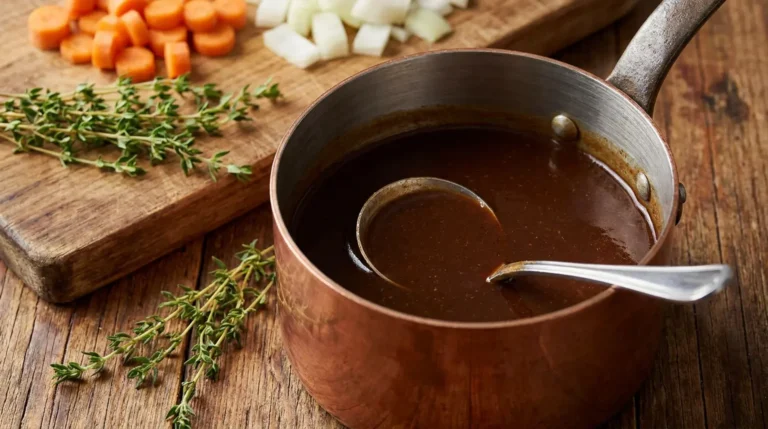
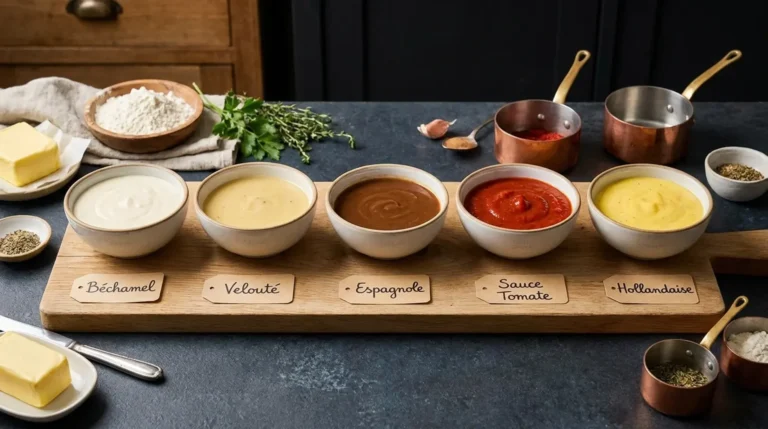
Next Step: Learn the deeper classic brown sauce, espagnole sauce
Latest posts
About