Sauces and Foundations for Home Cooks
Sauces and foundations are what make food taste complete. A good sauce can make simple chicken feel intentional, turn vegetables into something craveable, and rescue a dish that tastes flat, dry, sharp, or unfinished. The best part is that sauces are not magic. They are built from repeatable foundations: stock, fat, acid, salt, heat, texture, reduction, and balance.
Once you understand how these pieces work together, you can stop guessing and start adjusting food with confidence. This guide is the main hub for sauce-building, foundational ratios, emulsions, stocks, roux, acidity, and flavor balance, with deeper guides linked throughout for specific techniques and fixes.

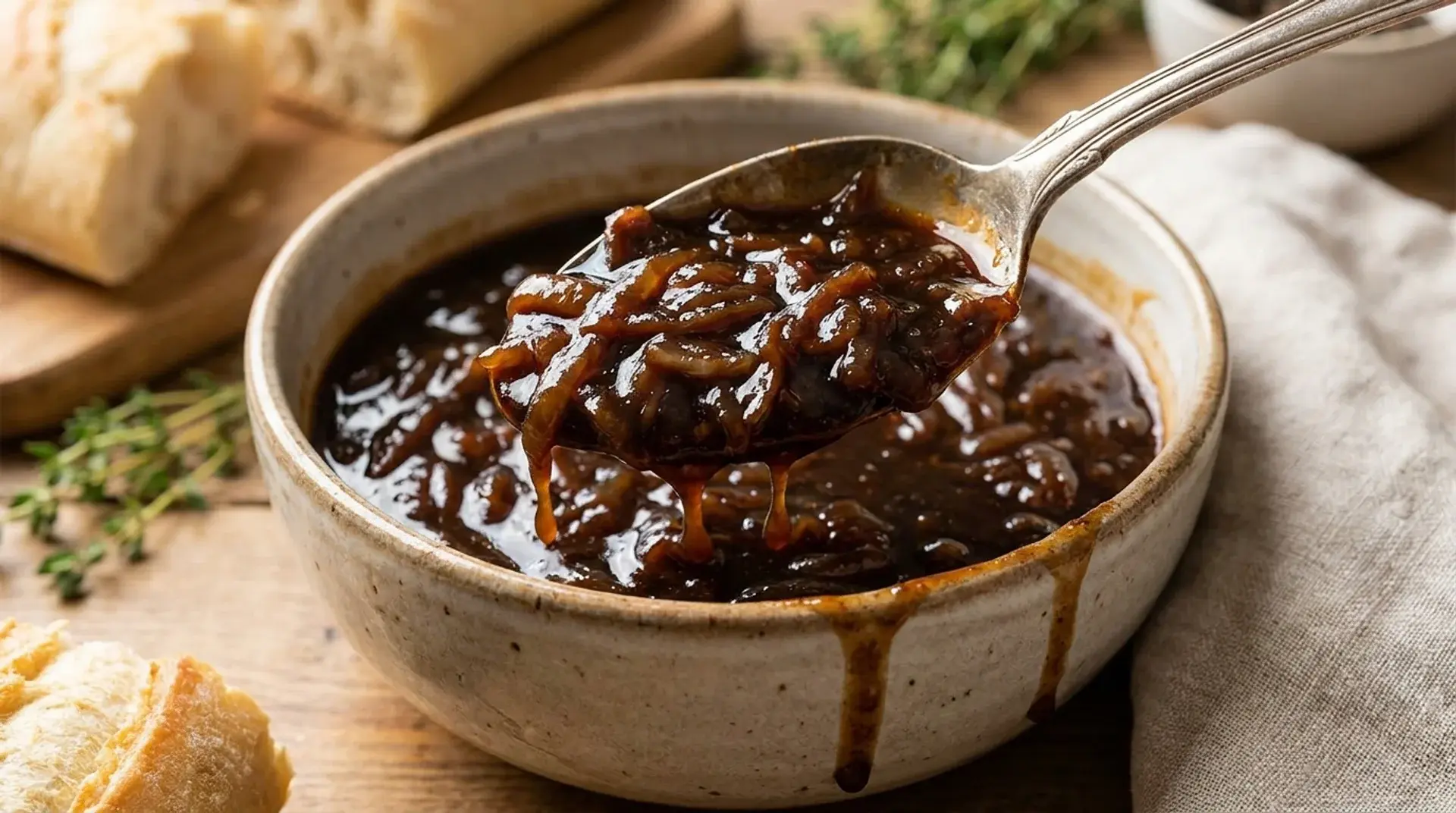
Why sauces and foundations make cooking easier
Sauces and foundations make cooking easier because they give you a system instead of a scramble. When food tastes unfinished, most people start adding random ingredients: more salt, more garlic, more butter, more lemon, more spice. Sometimes that works, but often it makes the dish louder without making it better. A sauce foundation gives you a cleaner way to diagnose what the dish needs.
For example, a dry dish may need fat or moisture. A heavy dish may need acid. A flat dish may need salt. A thin sauce may need reduction, roux, starch, or emulsion. A harsh sauce may need fat, sweetness, time, or dilution. Once you can name the problem, you can fix it with purpose instead of panic.
This is why sauces matter even when you are not making something fancy. A vinaigrette teaches acid and fat balance. A pan sauce teaches fond, deglazing, reduction, and finishing. Stock teaches body, aroma, and depth. Roux teaches controlled thickening. Emulsions teach stability. Tomato sauce teaches acidity and sweetness. These are not isolated recipes. They are repeatable cooking skills that show up everywhere.
The goal is not to memorize every classic sauce. The goal is to understand the logic behind them so you can cook with more confidence. If you want the simplest entry point, start with pan sauce basics, because it shows how browned bits, liquid, reduction, fat, acid, and seasoning come together quickly in one pan.
Core sauce building blocks: stock, fat, acid, salt, heat, and texture
Most sauces are built from a small set of building blocks. Stock adds liquid, body, aroma, and savory depth. Fat adds richness, carries flavor, softens sharp edges, and creates a more satisfying texture. Acid brightens flavor and keeps rich sauces from tasting heavy. Salt makes flavors clearer and more noticeable. Heat changes texture, concentrates flavor, and helps ingredients combine. Texture determines whether a sauce feels thin, silky, glossy, creamy, chunky, or sticky.
Once you see those building blocks, sauces become less intimidating. A vinaigrette is fat plus acid plus seasoning, sometimes held together with mustard or another emulsifier. A pan sauce is fond plus liquid plus reduction plus fat plus acid. Béchamel is milk thickened with roux. Velouté is stock thickened with roux. Hollandaise is butter and lemon held together by egg yolks. Tomato sauce is fruit, acid, sweetness, salt, fat, aromatics, and time.
The same logic also helps you fix mistakes. If a sauce tastes watery, it may need reduction or a stronger base. If it tastes greasy, it may need acid, salt, or better emulsification. If it tastes sour, it may need fat, sweetness, or longer cooking. If it tastes dull, it may need salt or acid. If it tastes too intense, it may need dilution, cream, stock, or another softening ingredient.
This is where sauce-making becomes practical instead of precious. You do not need to know every French term to cook well. You need to understand what each element does and how to adjust it. For a focused guide to fixing flavor by taste, use seasoning balance with salt, fat, acid, sweetness, and heat.
Ratios that make sauces repeatable
Ratios are useful because they give you a starting point that can be adjusted instead of a rigid recipe you have to obey. A sauce ratio tells you the general relationship between ingredients: how much oil to acid in a vinaigrette, how much flour and butter to use for roux, how much liquid a roux can thicken, or how much fat an emulsion can hold before it breaks.
For home cooks, the most helpful ratios are practical, not perfect. A classic vinaigrette often starts around 3 parts oil to 1 part acid, but a brighter dressing may move closer to 2:1. A basic roux often uses equal parts fat and flour by weight, then changes depending on how thick you want the final sauce. A pan sauce does not need a strict ratio, but it does need enough liquid to dissolve fond, enough reduction to concentrate flavor, and enough fat to finish with gloss.
Ratios also protect you from common sauce problems. If your dressing tastes oily, the oil-to-acid balance may be too fat-heavy. If your béchamel is pasty, it may have too much roux or not enough liquid. If your sauce is thin, it may need more reduction, more thickener, or more time. If your emulsion breaks, you may have added fat too quickly or pushed the heat too hard.
Treat ratios like a map, not a cage. Start with the standard structure, taste, then adjust based on the actual ingredients in front of you. Vinegars vary in sharpness, stocks vary in concentration, tomatoes vary in acidity, and dairy varies in richness. For a clear first ratio to practice, learn the basic vinaigrette ratio, because it teaches fat, acid, salt, and emulsification in one small bowl.
Mother sauces and why they still matter
Mother sauces still matter because they teach structure. You do not need to cook like a culinary school textbook every night, but the classic mother sauces show how a few foundational methods turn into many finished sauces. Béchamel, velouté, espagnole, hollandaise, and tomato sauce each demonstrate a different way to build flavor, body, and texture.
Béchamel teaches how fat, flour, and milk become a smooth white sauce. Velouté teaches how stock and roux become a lighter savory sauce. Espagnole teaches deeper brown sauce flavor through browned roux, stock, aromatics, and reduction. Hollandaise teaches warm emulsification with egg yolk, butter, lemon, and controlled heat. Tomato sauce teaches acidity, sweetness, aromatics, simmering, and balance.
The real value is not that you will make all five every week. The value is that each one gives you a cooking lesson you can reuse. Once you understand béchamel, macaroni and cheese, cream sauces, and gratins make more sense. Once you understand velouté, gravy and stock-based sauces become easier. Once you understand hollandaise, broken sauces feel less mysterious. Once you understand tomato sauce, acidity becomes easier to manage.
Mother sauces also help you understand why some sauces feel complete and others do not. A finished sauce usually has a base, body, seasoning, balance, and texture. If one of those is missing, the sauce may taste thin, flat, harsh, greasy, or unfinished. For a direct overview of the classic system, read the mother sauces overview.
Roux, reductions, emulsions, and thickening methods
Thickening is one of the biggest differences between a sauce that feels intentional and a liquid that just sits on the plate. There are several ways to thicken sauce, and each one creates a different texture. Roux gives sauces body and opacity. Reduction concentrates flavor and naturally thickens by evaporating water. Emulsions create thickness by suspending fat in liquid. Starches can quickly tighten a sauce. Butter can finish a sauce with gloss and slight body.
Roux is one of the most reliable methods because it is structured and predictable. You cook flour in fat, then whisk in liquid. The longer and darker the roux cooks, the more flavor it develops, but the less thickening power it usually has. A pale roux is useful for béchamel. A darker roux is better for deeper sauces where flavor matters more than maximum thickening.
Reduction is different. Instead of adding a thickener, you simmer the sauce until water evaporates and the flavor becomes more concentrated. This works beautifully for pan sauces, stock-based sauces, wine reductions, and tomato sauces. The risk is over-reducing, which can make a sauce too salty, sticky, intense, or bitter.
Emulsions are about bringing together ingredients that normally separate, usually fat and water-based liquid. Vinaigrette is a temporary or semi-stable emulsion. Hollandaise is a warm emulsion. Mayonnaise is a cold emulsion. Emulsions break when fat is added too quickly, heat gets too high, or the ratio moves beyond what the sauce can hold. For the warm version, hollandaise emulsion is the best guide to understanding how stability, heat, egg yolks, butter, and acid work together.
How to balance salt, fat, acid, sweetness, and bitterness
Sauce balance is usually what people mean when they say something tastes finished. A finished sauce does not just taste salty, rich, sharp, sweet, or spicy. It has the right relationship between those things. Salt makes flavor clearer. Fat adds richness and softens harshness. Acid adds brightness. Sweetness rounds acidity and bitterness. Bitterness can add depth when controlled. Heat can create energy, warmth, and contrast.
The mistake is trying to fix every problem with the same ingredient. More salt will not fix a sauce that is too heavy. More butter will not fix a sauce that is dull. More sugar will not automatically fix acidic tomato sauce if the deeper issue is weak salt, undercooked aromatics, or lack of fat. A better approach is to taste the sauce and name the imbalance.
If the sauce tastes flat, try salt first, then acid. If it tastes heavy, add acid or freshness. If it tastes harsh, add fat, sweetness, or more cooking time. If it tastes sour, add fat, salt, sweetness, or simmer longer depending on the sauce. If it tastes bitter, dilute it, round it with fat, or balance carefully with sweetness and acid. If it tastes thin, reduce it or build more body.
Tomato sauce is one of the clearest examples because tomatoes naturally bring acidity, sweetness, water, and fruitiness. The sauce can turn sour, flat, bitter, watery, or too sweet depending on the tomatoes, cooking time, aromatics, salt, and fat. For a focused breakdown, use tomato sauce acidity balance to learn how to fix sauce by taste instead of guessing.
Common sauce mistakes and quick fixes
Most sauce mistakes are fixable if you catch them early and understand what went wrong. A broken sauce usually means the fat and liquid separated. A thin sauce may need more reduction, more thickener, or better emulsification. A lumpy sauce often means liquid was added too fast to roux, or the heat was uneven. A greasy sauce may have too much fat, not enough acid, or a weak emulsion. A bitter sauce may be burned, over-reduced, or built on scorched fond.
The first fix is usually to slow down. Lower the heat, stop adding new ingredients, and taste carefully. If a sauce is too thin, simmer it gently and let water evaporate. If it is too thick, whisk in a little stock, water, milk, cream, or cooking liquid depending on the sauce. If it is too salty, dilute it with unsalted liquid or add unsalted ingredients. If it is too acidic, add fat, sweetness, or more simmering time. If it is dull, add salt or acid in small increments.
For pan sauces, watch the fond closely. Browned bits are flavor. Burned bits are bitterness. If the pan smells acrid or the fond is black instead of brown, do not force it into a sauce. Wipe the pan and start cleaner. For roux sauces, add liquid gradually and whisk constantly. For emulsions, add fat slowly and control the heat. For tomato sauces, simmer gently and adjust in layers.
Good sauce-making is less about never making mistakes and more about recognizing the direction of the mistake. Once you know whether the sauce needs body, brightness, softness, dilution, reduction, or seasoning, you can usually bring it back.
Recommended reading paths for sauces and foundations
If you are building this topic as a content hub, the best reading path depends on what the reader wants to fix. For quick weeknight improvement, start with pan sauces, vinaigrettes, and seasoning balance. Those three topics give readers immediate wins because they apply to salads, roasted vegetables, chicken, steak, grains, bowls, and leftovers. They also teach the core logic of fat, acid, salt, reduction, and tasting.
If the reader wants classic technique, start with mother sauces, béchamel, velouté, espagnole, hollandaise, and tomato sauce. This path builds a stronger technical foundation. It explains how sauces are structured, how thickening works, how stock changes flavor, how emulsions hold together, and why acidity balance matters.
Start here
Vinaigrette Ratio: Learn the basic oil-to-acid structure behind balanced dressings, plus how mustard, salt, and sweetness help adjust flavor.
Mother Sauces Overview: Get a practical overview of the five classic mother sauces and how they become finished sauces.
Béchamel Roux Ratio: Learn how butter, flour, and milk become a smooth white sauce without lumps, scorching, or pasty texture.
Velouté Stock Foundation: See how stock and roux become a silky savory sauce, and why stock quality changes the final result.
Espagnole Brown Sauce: Learn how browned roux, stock, aromatics, and reduction create rich brown sauce without bitterness.
Hollandaise Emulsion: Understand how egg yolks, butter, lemon, and careful heat create a stable warm emulsion.
Tomato Sauce Acidity Balance: Fix tomato sauce that tastes sour, flat, bitter, watery, or too sweet.
Chicken Stock: Build a better foundation for soups and sauces with bones, aromatics, collagen, simmering, and storage basics.
Pan Sauce Basics: Turn browned bits into a fast sauce using deglazing, reduction, butter, acid, and seasoning.
Seasoning Balance: Learn how to fix food that tastes flat, harsh, heavy, bland, sour, or unfinished.
Frequently Asked Questions
What sauce should a beginner learn first?
A beginner should start with vinaigrette or pan sauce. Vinaigrette teaches fat, acid, salt, and balance with no cooking required. Pan sauce teaches fond, deglazing, reduction, and finishing in one quick process. Both are practical, flexible, and easier to repeat than more technical sauces like hollandaise or espagnole.
What makes a sauce taste finished?
A sauce tastes finished when it has enough seasoning, body, balance, and texture. Salt makes the flavor clearer, fat adds richness, acid adds brightness, and reduction can concentrate flavor. If a sauce tastes flat, heavy, sharp, watery, or greasy, one of those elements is usually out of balance.
How do you fix a sauce that is too thin?
To fix a thin sauce, first decide whether it needs concentration or thickening. Simmering reduces water and strengthens flavor. Roux, starch, cream, butter, or emulsion can add body. Avoid adding thickener before tasting, because a watery sauce may need reduction and seasoning more than extra flour or starch.
Conclusion
Sauces and foundations give home cooks a practical way to make food taste more complete. Once you understand stock, fat, acid, salt, heat, texture, roux, reduction, and emulsions, you can stop guessing and start fixing food with intention. A good sauce is not just something added at the end. It is often the thing that ties the whole dish together.
The strongest path is to start simple, then build. Learn a vinaigrette, make a pan sauce, practice seasoning balance, then move into roux, stock, mother sauces, tomato sauce, and emulsions. Each skill makes the next one easier.
Next Step: Start with the vinaigrette ratio
Latest posts

About