Salt vs Brine vs Marinade: What Actually Works
If your meat tastes bland inside, dries out easily, or turns weirdly soft after marinating, the fix is usually not more sauce. It’s understanding how salt, brines, and marinades actually behave. Salt is the real workhorse: it seasons deeper, changes proteins, and helps retain moisture. Brines and marinades can help, but only with the right timing and goals.
This article is part of the cooking science guide. For the full framework (heat, temperature, texture, browning, tools), go back to Cooking Science Guide.

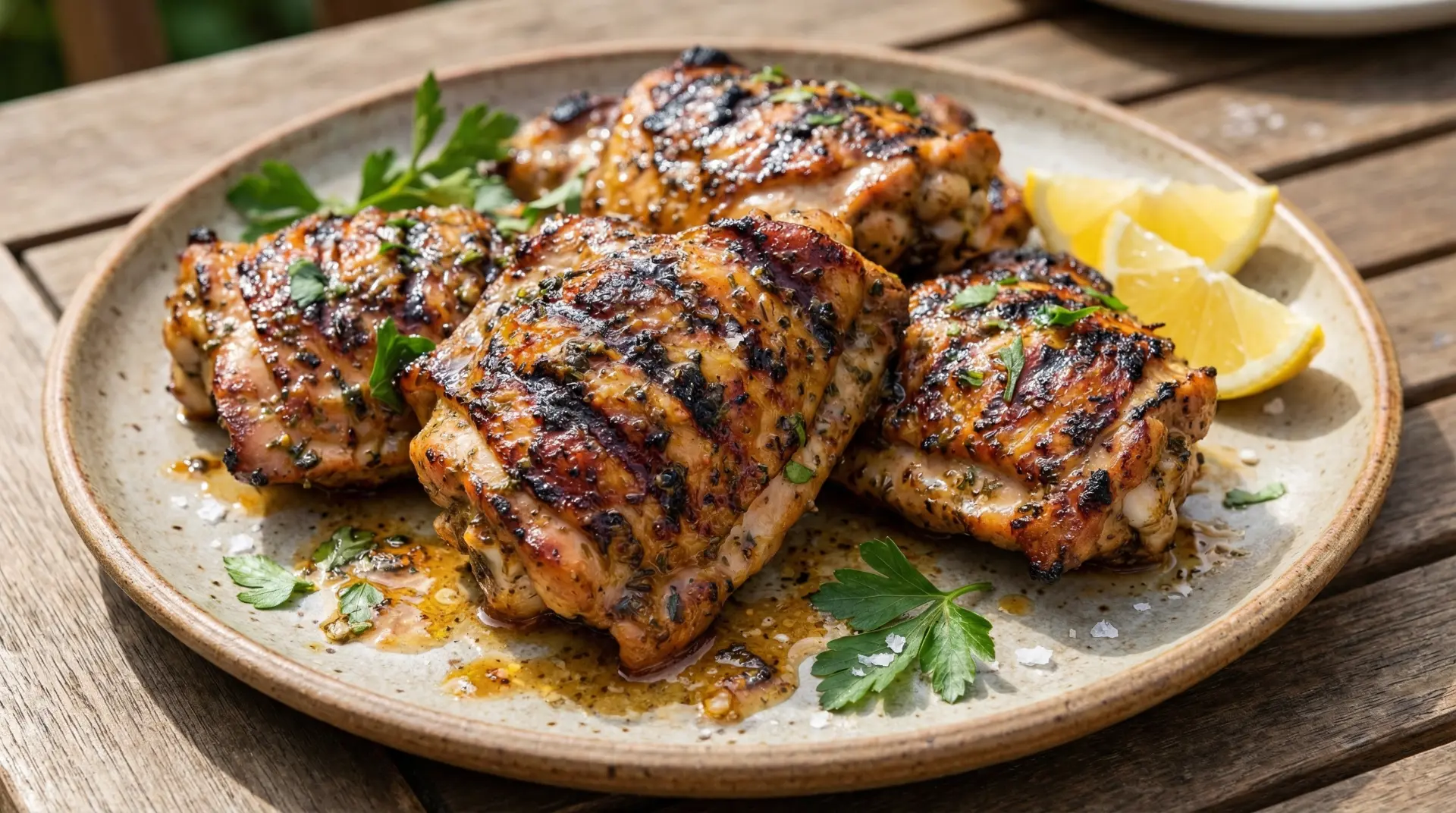
Dry brine vs wet brine: what’s the difference?
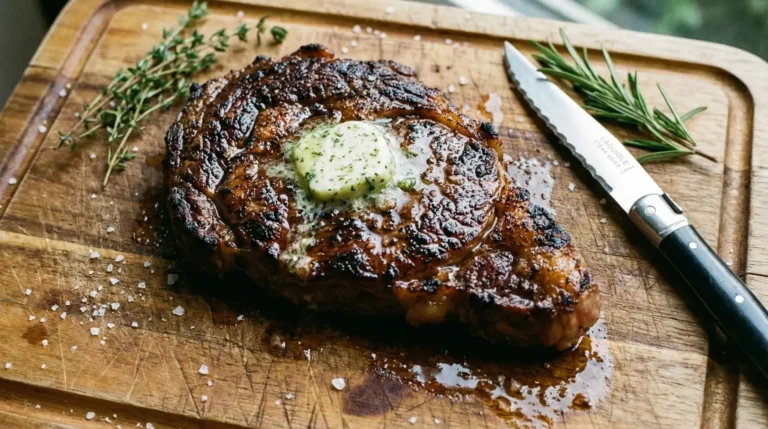
A dry brine is simply salting the surface and giving it time. Salt pulls moisture out at first, then that salty liquid dissolves and gets reabsorbed, carrying seasoning deeper. This is why dry-brined meat tastes seasoned beyond the surface and often cooks up juicier. Dry brining also improves browning because the surface dries more effectively over time, especially if you leave it uncovered in the fridge.
A wet brine is salt dissolved in water, often with sugar and aromatics. It’s most useful for very lean proteins that dry out easily, or when you want a bigger buffer against overcooking. The tradeoff is that wet brining can make browning harder unless you dry the surface very well afterward. If your top priority is crust or crisp skin, pair brining choices with How to Make Food Crispy so you don’t accidentally steam the surface during cooking.
How salt affects protein and water retention
Salt doesn’t only “add flavor.” It changes protein structure in a way that helps meat hold onto water. Think of proteins as tight bundles; salt helps them loosen and bind water more effectively, which reduces moisture loss during cooking. That’s why properly salted meat tends to stay juicier even if you cook it a bit longer than intended. It’s also why bland meat is often dry meat: if the inside is unseasoned, it likely didn’t have time for salt to move inward and do its structural work.
Timing is the practical lever. Salting right before cooking mostly seasons the surface. Salting ahead of time allows deeper seasoning and better moisture retention. This pairs directly with doneness control: salt makes food more forgiving, but temperature still decides final tenderness. For repeatable doneness and fewer dry proteins, pair this with Cooking Temperature Control so salt handles juiciness while temperature becomes the steering wheel.
Marinade myths (what penetrates, what doesn’t)
Most marinades don’t penetrate very far. Meat isn’t a sponge, and many flavor molecules are too large to travel deep. You’ll get strong surface flavor, which can be great, but don’t expect the center to taste like the marinade unless you cut thinner, score the surface, or use a method like injection. Salt is the exception because it does move inward over time, which is why marinades “work” best when they contain enough salt.
Acid and enzymes are also misunderstood. Acid can change texture, but too much acid or too much time can make the surface soft or chalky. Enzymes can turn meat mushy quickly. If your marinades scorch, it’s often because sugars or spices hit high heat too early. In that case, use Maillard Reaction to brown without burning and to time aromatics and sugars correctly.
Timing guide: 30 minutes vs overnight (practical rules)
Timing is the difference between “seasoned and juicy” and “salty or mushy.” Dry brining benefits from time, especially for thicker cuts and poultry. Even 30 to 60 minutes improves surface seasoning and moisture behavior, but overnight is where thicker foods get the biggest payoff. If you leave food uncovered, the surface also dries, which improves browning and crisp potential.
Wet brining is useful, but keep timing proportional to size and always dry the surface before cooking. Marinades usually benefit from shorter times, especially if they contain acid or enzymes. Use marinades to add surface flavor, not to replace deep seasoning. The most reliable “autopilot” combo is salt ahead of time, cook to temperature, then rest for carryover. That workflow is covered in Cooking Temperature Control and will do more for consistent juiciness than guessing marinade times.
Choosing the right tool: quick rules by goal
If you want deeper seasoning and juiciness with minimal hassle, dry brine first. If you want extra protection for lean proteins, wet brine and then dry thoroughly before cooking. If you want surface flavor and aromatics, use a marinade, but keep time reasonable and don’t expect deep penetration. If texture is your top concern, avoid over-acidic marinades and skip long enzyme exposure.
For crisp surfaces, remember that moisture is the enemy, so connect brining choices to How to Make Food Crispy. For browning without bitterness when sugars and aromatics are involved, connect to Maillard Reaction. For the full system and reading paths, return to Cooking Science Guide..
Frequently Asked Questions
Is dry brining better than wet brining for chicken?
Often yes, especially if you want crisp skin and strong browning. Dry brining seasons deeper and can dry the surface over time, which helps crisping. Wet brining is useful when you need extra insurance against dryness, but it can make browning harder unless you dry the surface very well before cooking.
Why did my meat turn mushy after marinating overnight?
Over-marinating usually means too much acid or enzymes for too long. The surface proteins break down and lose structure, creating a soft or mealy texture. Use shorter marinade times, reduce acid, or switch to dry brining for deeper seasoning and juiciness. Then cook with controlled heat so the outside browns without burning.
Should I salt before or after cooking?
Salt before cooking if you want deeper seasoning and improved juiciness, especially for thicker cuts. Salting after cooking only seasons the surface. For best results, salt ahead of time, then adjust with a final pinch at the end for a clean finishing pop. This gives you both internal flavor and a better surface bite.
Conclusion
Salt is the foundation: it seasons deeper and improves water retention so food stays juicier. Dry brines are the simplest high-impact tool for most home cooks, wet brines add protection for lean proteins, and marinades are mainly for surface flavor and can damage texture if overdone. Use timing rules, dry surfaces well, and pair salt with temperature control for repeatable results.
Latest posts

About